The Impact of Missing Teeth on Your Oral Health: Why Implants Are the Best Solution
 By: Britely
Many people in the United States lose at least one adult tooth by age 50, and the number often climbs fast as the years move on. A national survey even shows that the average adult between 20 and 64 has lost about five permanent teeth . That number surprised me when I first saw it. A gap in your smile may feel small at first, yet the mouth reacts in steady ways that can change how you chew, speak, and clean your teeth.
These changes build step by step, and they give us a clear reason to look at better support for long-term oral health.
Key Takeaways
Missing teeth can weaken your bite, shift nearby teeth, and strain your jawbone. Implants help keep the bone strong and the teeth steady. They also last a long time with good care. If you want a solution that feels natural and protects your mouth, implants offer strong support.
| Key Point | Simple Explanation |
| Bone Support | Implants help keep the jawbone firm. |
| Tooth Stability | Implants stop nearby teeth from shifting. |
| Chewing Strength | You can handle more foods with comfort. |
| Long-Term Value | Implants last a long time with steady care. |
| Oral Health | Implants can make cleaning easier and lower decay risk. |
Why a Lost Tooth Affects More Than Your Mouth
A lost tooth can seem like a small thing at first. You may notice a gap when you smile, and you may notice a light change in how your bite feels. But the space left behind can change how the rest of your mouth works. The nearby teeth lean toward the open spot. The gums around the area can grow harder to clean. Even your jaw can feel the difference in how pressure spreads when you chew. All these small changes connect to the Consequences of missing teeth, which often appear slowly.
Your teeth work together each day. When one goes missing, the rest try to pick up the load. The bite pattern becomes uneven. Food may collect in new spots. Your jaw muscles adjust and may feel tired.
Key points to notice:
- Teeth shift into open gaps and lose their strong alignment.
- Chewing grows uneven because the bite no longer spreads pressure evenly.
- Cleaning becomes harder because new pockets form around the teeth.
- The risk of decay rises in the teeth next to the gap.
If you have been thinking about teeth replacement options, this is a good time to learn how each choice supports long-term health. People often hear about bridges, partial dentures, and implants, yet each one works in a different way.
Many dentists guide patients toward the approach that keeps the jaw steady and the bite strong. Sometimes humor helps during the chat, like when someone jokes, “My teeth got brave and tried to wander off.” Still, the truth is simple: a missing tooth starts a chain reaction, and the sooner you fix the gap, the easier your future care becomes.
What Happens Inside Your Jaw When a Tooth Is Gone
Your jawbone stays strong when it receives steady pressure from chewing. When a tooth goes missing, that pressure stops in the area of the lost root. Bone cells respond by shrinking over time. You may not feel this right away, but the shape of the jaw slowly changes. The process is steady and continues year after year unless the missing root gets replaced.
Bone loss can affect more than your bite. It can change how your face looks, and it can create new pockets between the gums and neighboring teeth. This makes cleaning harder and raises the chance of gum disease. Good care can slow the process, but the body still reacts to the missing root.
Signs of jawbone changes:
- The gums start to dip or thin in the empty space.
- The bone height in that area lowers over time.
- Chewing feels weaker on one side.
- Dentures may loosen if the bone changes shape.
This is one reason many dentists prefer stable support with Dental implants for missing teeth. Implants act like replacement roots. They help engage the bone and keep it active. Your jaw responds to that pressure, which keeps it stronger for longer. This is also an area where dental implant expectations matter, because understanding the timeline helps you plan care. Healing takes time, but the goal is steady strength.
When we compare dental implants vs dentures, bone support becomes a clear dividing line. Dentures sit on top of the gums and do not press into the bone the way roots do. Implants do. This gives them a clear advantage when long-term jaw health is the focus.
How Gaps Can Change Your Daily Life
People often feel surprised by how much one missing tooth affects daily tasks. The mouth works like a balanced system, and the loss of one part shifts the rest.
You may notice small struggles first. You might avoid certain foods because they feel hard to chew. You may catch food between your teeth more often. You may even change how you speak without meaning to. These small adjustments can build into habits that strain the mouth.
Common daily challenges:
- Trouble biting into firm foods.
- More food getting trapped in the open space.
- Speech patterns that change because the tongue hits a gap.
- More time spent brushing and flossing to reach new angles.
The gap also influences confidence. People sometimes smile less or tilt their head in photos. These reactions come from the simple feeling that something is missing. When a dentist talks about Teeth replacement options, these everyday effects are part of the reason they highlight early care.
Some patients try to manage with Dental implants and dentures, and each tool has a place. Dentures help many people, yet they can shift when the bone changes. Implants offer steady support and can keep the bite balanced. Each choice should follow your goals and daily needs.
If you want steady strength and a natural feel, the Benefits of dental implants cover many of the frustrations that gaps bring. They support the bone, keep teeth aligned, and make chewing easier. They also last a long time, which makes them helpful for many adults who want a simple, steady solution.
How Dental Implants Protect Your Oral Health
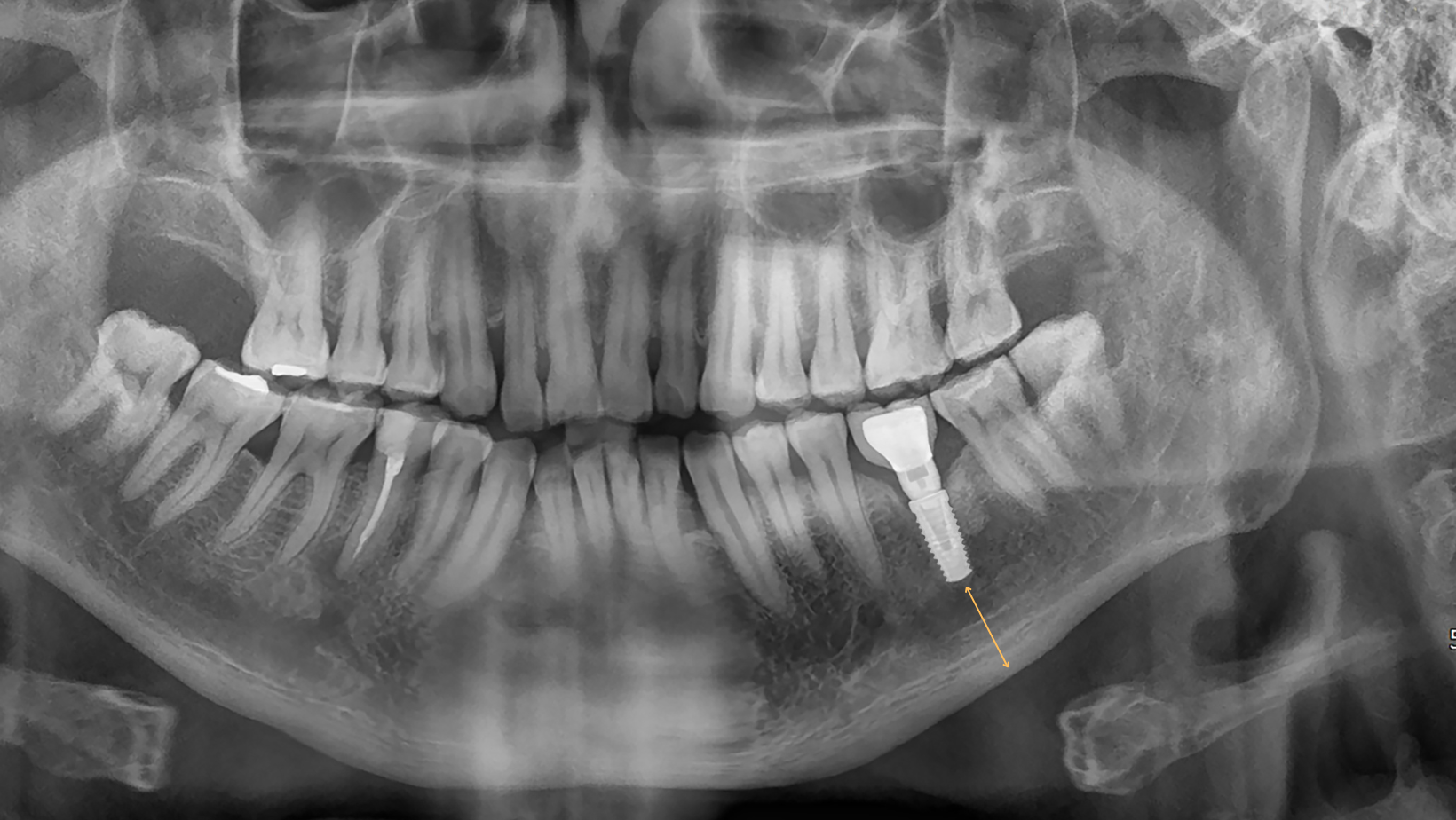
Dental implants protect the mouth in ways that help both short-term comfort and long-term strength. They stand in the place of missing roots and support the bone with real chewing pressure. They also help keep the teeth aligned by closing the gap that would otherwise open the door to shifting.
Below is a detailed look at how implants support health, function, and daily life. This section dives deeper so you can understand how the mouth reacts and why implants last as a strong choice.
1. How Implants Support the Jawbone
The jawbone responds to pressure. Every time you chew with a natural tooth, the root sends a signal to the bone. This signal keeps bone cells active. When a tooth goes missing, that activity slows down in the area of the lost root.
Implants replace that pressure. They act like strong anchors inside the bone. Once healed, they help the bone stay firm around them. This can slow or limit bone shrinkage.
Key points:
- Implants stimulate the bone with steady pressure.
- Bone shrinkage slows when the implant engages the area.
- Facial structure stays more stable over time.
- Gum height stays more even, which also helps cleaning.
This is one of the top Benefits of dental implants because bone health affects every part of the mouth.
2. How Implants Improve Chewing Strength
A missing tooth changes how the bite spreads force. You may avoid chewing on the side with the gap. This places more work on the opposite side and leads to uneven wear.
Implants help restore balance. You can chew on both sides again. You can also handle a wider range of foods with less strain.
Everyday gains:
- Bite feels stronger and smoother.
- Food breaks down easier.
- Less strain on the jaw muscles.
- More comfort during meals.
Many people feel relieved when they can enjoy firmer foods again without stress.
3. How Implants Keep Teeth From Shifting
Teeth shift toward open gaps. This shift may seem slow, yet it changes the bite. It can cause new spaces, crowding, or uneven force. These issues also make brushing and flossing harder.
An implant fills the space and blocks unwanted movement. The teeth around the implant can stay in their natural places. This means fewer long-term bite problems.
Helpful results:
- More even bite alignment.
- Lower risk of decay in tight or new spaces.
- Easier cleaning between teeth.
- Less chance of gum issues caused by shifting teeth.
4. How Implants Support Clear Speech
Speech patterns depend on how air flows around the teeth and tongue. A missing tooth can change the way certain sounds form. Some people notice whistling or softer consonants.
An implant adds structure back to the mouth. Speech becomes clearer again because the tongue has a stable surface to guide sound formation.
5. How Implants Compare With Other Options
People often ask about choices. They wonder how implants stack up against dentures and bridges. Each tool has strong points, yet the long-term pattern often favors implants for stability and bone support.
Comparison overview:
- Implants last longer with steady care.
- Bridges need the support of nearby teeth.
- Dentures sit on the gums and may loosen over time.
- Implants connect to the bone for strong support.
This is why many dentists discuss Dental implants vs dentures when helping patients choose a path. Dentures work well for some needs, yet implants provide a deeper level of support for the bone and bite.
6. What to Expect During Implant Treatment
Good planning helps the process feel easier. Your dentist checks the bone, reviews your health, and sets a timeline. Healing takes time because the implant needs to bond with the bone. The final crown attaches once the bonding is complete.
Typical steps:
- Exam and imaging to check bone strength.
- Placement of the implant in the jaw.
- Healing period for bonding.
- Placement of the final crown.
Clear communication helps set strong dental implant expectations. Patients often find the process smoother than they first thought.
7. How Implants Support Long-Term Oral Health
Implants protect more than the gap. They help keep the mouth stable. They lower the risk of shifting, bone loss, and bite strain. They also help with clear cleaning paths.
Long-term gains:
- Lower gum disease risk.
- Stronger chewing over time.
- Less crowding or spacing issues.
- Improved comfort and confidence.
Even when patients compare Dental implants and dentures, the long-term comfort and stability of implants often stand out as a clear advantage.
8. Why Implants Fit Many Daily Needs
Implants come in many shapes and sizes. They can help single gaps, multiple gaps, and even full arches. They provide a steady feel that helps people return to daily life with more ease.
People choose implants because:
- They want strength for everyday meals.
- They want steady support for the bone.
- They want clear speech.
- They want a solution that lasts many years.
Implants also rank high among Teeth replacement options because they support both function and health.
Conclusion
Missing teeth create steady changes in the mouth, but strong care can protect your health and confidence. Implants help support the bone, steady the teeth, and make eating and cleaning easier.
If you feel ready to take a step toward better oral health, reach out to Britely for help building a strong plan.
Frequently Asked Questions
How long do implants usually last?
Most implants last many years with good brushing, flossing, and steady checkups. Many people keep their implants for decades. The key is to follow your dentist’s care steps, clean around the gums well, and avoid habits that strain the implant, like grinding or chewing very hard items.
Do implants hurt during the healing period?
Most patients feel mild soreness for a short time. Dentists use numbing methods during placement, and many people return to normal routines within a day or two. Over-the-counter pain relief usually helps. Your dentist also gives clear directions on how to care for the area as it heals.
Can smoking affect the success of implants?
Smoking slows healing and makes the gums more likely to react with inflammation. This can lower implant success rates. Many dentists ask patients to reduce or stop smoking during the healing phase so the bone can bond well with the implant.
Are implants safe for older adults?
Yes. Many older adults choose implants because they want stable chewing and long-term comfort. Age is not usually a limit. Dentists focus instead on bone strength, gum health, and medical history. Good planning makes the process safe for many seniors.
Do implants require special cleaning tools?
Implants need steady brushing and flossing like natural teeth. Some people use small cleaning brushes to reach tight areas. Your dentist may suggest simple tools to help clean around the gums. Regular checkups help make sure the implant stays healthy.