How Full Mouth Reconstruction Helps You Feel Comfortable and Confident Again
 By: Britely
There’s a moment many patients describe, a photo is taken, a laugh starts to escape, and then stops. Not because anything is wrong with the moment, but because of what’s happening in the mouth. Cracked teeth. Missing gaps. A bite that hasn’t felt right in years. These are real, everyday problems that affect how people eat, speak, and show up in the world.
Full-mouth reconstruction is the dental solution designed to fix all of it, not just one tooth, but the whole picture, so patients can stop holding back and start living fully again. At Britely, dental implants are one of the key restorative options available as part of a comprehensive treatment plan.
Key Takeaways
Full-mouth reconstruction is a customized, multi-step dental treatment plan that restores the health, function, and appearance of an entire mouth. It combines procedures like crowns, implants, bridges, and more to address worn, missing, or damaged teeth all at once.
| Topic | What to Know |
| Who it’s for | Adults with multiple dental problems, worn, broken, or missing teeth |
| Common procedures included | Crowns, implants, bridges, veneers, bone grafts, gum treatment |
| Main benefits | Restored function, improved appearance, pain relief, and confidence |
| Timeline | Varies by case; can span several months |
| Cost factors | Number of procedures, materials used, and insurance coverage |
| Location | Available at Britely studios across Arizona, Colorado, Florida, Minnesota, and Wisconsin |
Britely specializes in full-mouth reconstruction and works closely with patients to build a treatment plan that fits their needs, timeline, and budget.
What Is Full Mouth Reconstruction, and Who Needs It?
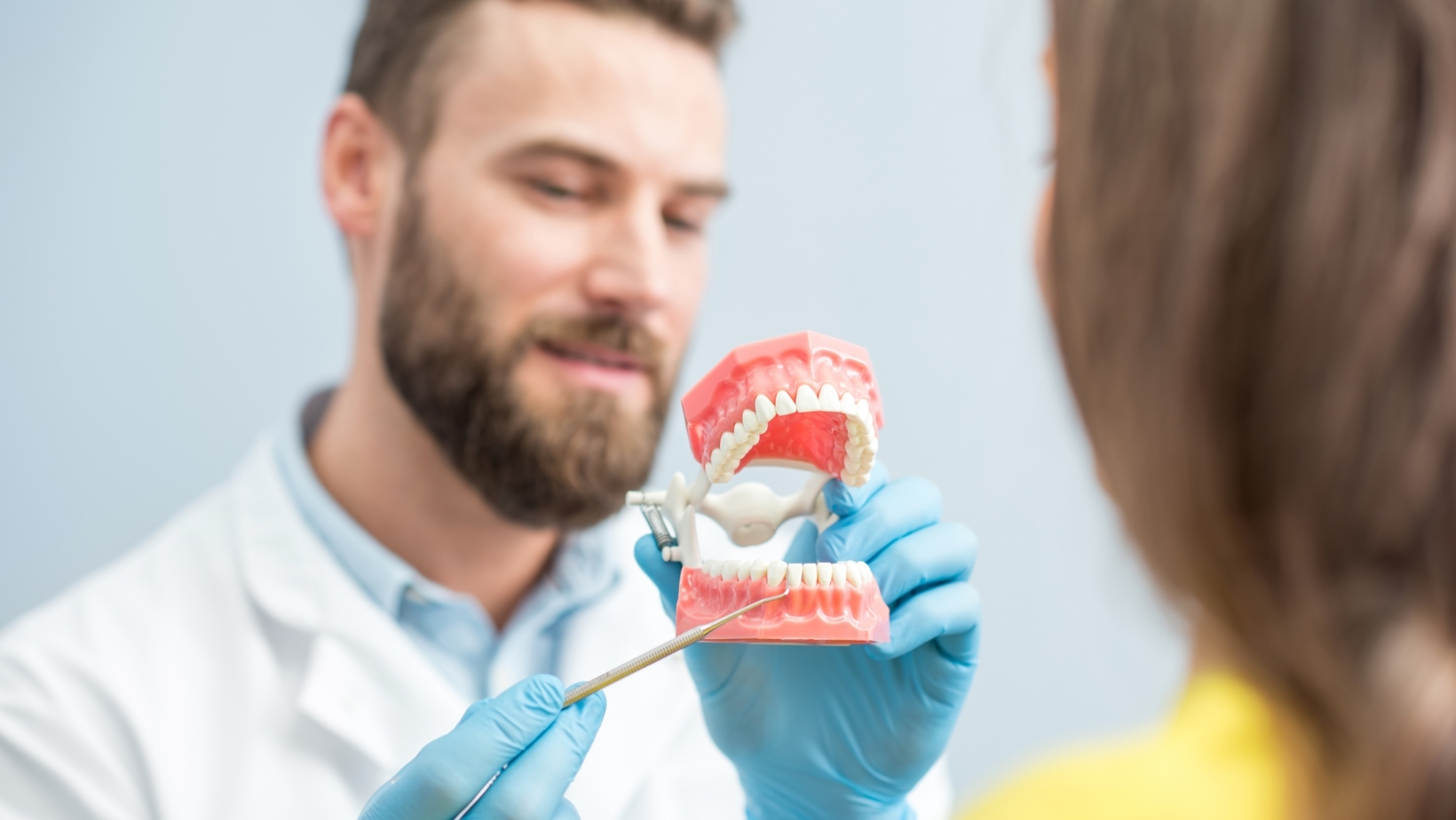
Full mouth restoration isn’t a single procedure. It’s a coordinated plan that combines multiple dental treatments to fully rebuild a damaged or failing mouth. Think of it as a roadmap, every step is chosen for a reason, and every procedure supports the next.
Patients who benefit most are those dealing with:
- Worn teeth — Often caused by grinding (bruxism), acid erosion, or years of wear. Teeth may appear short, flat, or chipped.
- Damaged or broken teeth — Cracks, fractures, or decay that have gone untreated and now affect multiple teeth.
- Missing teeth — One or several gaps that shift the bite and affect how the jaw functions.
- Chronic jaw pain or bite problems — A misaligned bite puts pressure on the jaw joint and surrounding muscles.
- Gum disease – infection and bone loss that undermine the foundation of the teeth.
If any of these sound familiar, a full evaluation is the right first step. A dentist will examine the teeth, gums, bite, and jaw before recommending a plan. If you’ve already received a recommendation elsewhere, it may be worth getting a second opinion on full-mouth implants before committing to a treatment path.
What Are the Benefits of Full Mouth Reconstruction?
The benefits go deeper than most people expect, and they’re not limited to how the teeth look. When the whole mouth is functioning the way it should, patients notice changes in areas of their life they didn’t even connect to their dental health.
Here are some of the top benefits of full mouth reconstruction.
1. Restored Function
Eating shouldn’t be a challenge. When teeth are broken, missing, or misaligned, chewing becomes painful or difficult. Reconstruction restores proper biting and chewing so patients can enjoy meals without discomfort.
2. Pain Relief
Jaw pain, headaches, and facial soreness often trace back to dental problems. A corrected bite reduces pressure on the jaw joint and may help relieve chronic pain, sometimes for the first time in years.
3. Improved Appearance
Cracked, stained, or missing teeth affect how a person looks and how they feel about their appearance. Reconstruction creates a smile that looks natural, healthy, and proportional.
4. Better Oral Health
Repairing damage stops decay from spreading. Replacing missing teeth prevents bone loss. Treating gum disease protects the whole mouth. Every step in reconstruction improves the long-term health of the mouth.
5. Renewed Confidence
This is the one patients mention most. Once the work is done, they smile freely again. Beyond aesthetics, many patients also notice that implants and dentures can help improve speech, making everyday conversation feel natural and effortless again. They show up differently at work, at home, in photos.
Understanding the Full Mouth Reconstruction Process
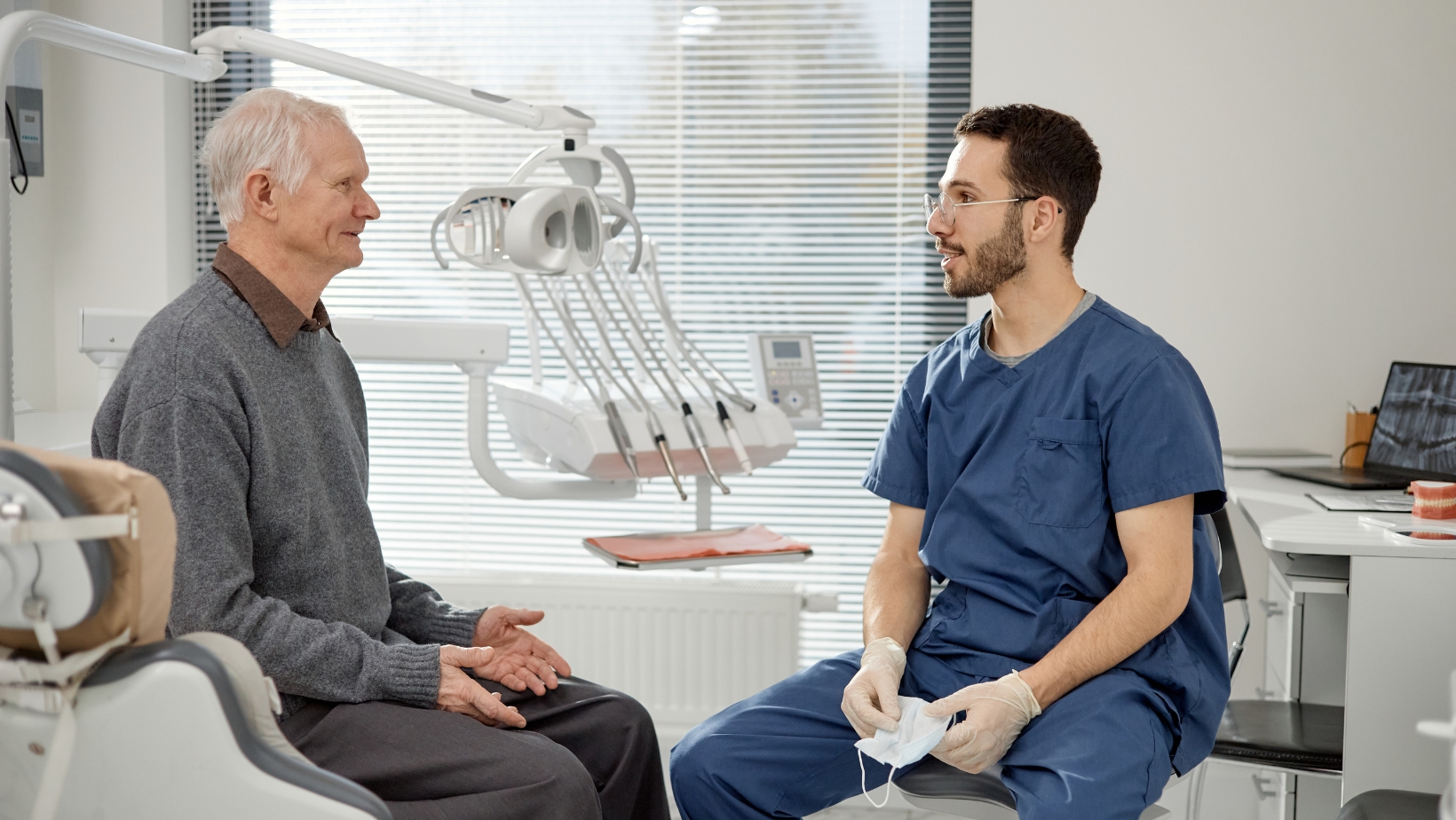
The full mouth reconstruction process starts with a thorough exam and a conversation. No two cases are the same, so no two treatment plans are identical.
Here’s how it generally works:
Step 1: Comprehensive Evaluation
The dentist examines X-rays, bite alignment, gum health, and the condition of every tooth. Some cases also involve 3D imaging or digital scans.
Step 2: Treatment Planning
A detailed plan is created that outlines which procedures are needed, in what order, and over what timeline. The patient reviews this plan and asks questions before anything begins.
Step 3: Foundation Work
Gum disease is treated first. Extractions or bone grafts may happen at this stage. The foundation has to be stable before building on top of it.
Step 4: Restorative Procedures
This is the main phase. Crowns, implants, bridges, and other restorations are placed. For patients with a bite that needs correction, orthodontic work or occlusal adjustments may also be part of this phase.
Step 5: Final Restorations and Review
Once everything heals and settles, final restorations are placed, and the bite is checked. The dentist makes sure everything looks right, feels right, and functions the way it should.
At Britely, the team coordinates every phase of reconstruction under one roof, which means fewer referrals, clearer communication, and a smoother experience for patients.
How Much Does Full Mouth Reconstruction Cost?
Cost is one of the first things patients want to know, and it’s a fair question. The honest answer is that it varies significantly based on the number and type of procedures involved.
A treatment plan that includes two crowns and a single implant will cost far less than one that includes multiple implants, bone grafts, and full-arch restorations. Materials, lab work, and the complexity of each case also affect the total. It helps to understand that dental implants are a long-term investment, one that often proves more cost-effective over time compared to solutions that require frequent replacement or adjustment.
Spreading the cost over time is possible, and our team can walk you through what your plan may cover before your first appointment. If you have questions about coverage or payment, reach out there’s no reason to figure it out alone.
For patients who want to know if they may need dental implants as part of their reconstruction, a consultation is the best place to start, whether you’re in Denver, Surprise, Fort Myers, Minneapolis, Milwaukee, or any of our other locations.
Ready to find out what your reconstruction plan might involve? Contact Britely to schedule a free comprehensive evaluation and get real answers about your options.
Conclusion
Living with worn, broken, or missing teeth takes a quiet toll on comfort, on confidence, and on daily life. Full mouth reconstruction offers a real path forward: a structured, personalized plan that addresses the whole mouth, not just the most obvious problem. The result is a healthier bite, a restored smile, and the ability to show up in life without holding back. If you’ve been putting this off, there’s no better time to take the first step.
Britely is here to help you build that plan, because a confident smile isn’t a luxury, it’s something you deserve.
Frequently Asked Questions
How long does full mouth reconstruction take from start to finish?
The timeline depends on the number and complexity of procedures involved. Some cases take a few months, while more involved reconstructions can span a year or longer, especially when implants or bone grafts are needed for proper healing.
Is full-mouth reconstruction painful?
Most patients report that the procedures are far more comfortable than they expected, thanks to local anesthesia and sedation options. Mild soreness after certain steps is normal and manageable with over-the-counter pain relief.
Can I get a full mouth reconstruction if I have gum disease?
Yes, but gum disease must be treated first. Healthy gums are the foundation for all restorative work, and most dentists will address periodontal issues before placing any crowns, implants, or bridges.
Will my insurance cover full-mouth reconstruction?
Insurance coverage varies by plan. Procedures that restore function, such as implants or crowns, are more likely to receive partial coverage than cosmetic treatments. It’s best to contact your insurance provider and the dental office directly to understand what’s covered.
How do I know whether I need full-mouth reconstruction or just a few individual treatments?
A comprehensive dental exam will clarify this. If problems are isolated to one or two teeth, targeted treatments may be enough. When multiple teeth are affected, especially with bite, jaw, or gum involvement, reconstruction is usually the more effective long-term approach.