How to Care for Your Dental Implants and Dentures
 By: Britely
Caring for your dental implants and dentures is easier than you might think. A few daily habits can make a big difference in how long your new smile lasts. Keeping them clean helps your mouth stay healthy, your breath stay fresh, and your teeth look their best.
When you know the proper steps for caring for your dental implants and dentures, you protect your smile and your investment for years to come.
In fact, with steady home care and regular checkups, about 96% of dental implants are still in place at 10 years.
This article explains why simple cleaning and care routines matter so much and how to do them correctly.
Why Cleaning Matters More Than You Think
Think of your mouth like a busy place. Every time you eat, tiny bits of food and bacteria move in. If they stay too long, they can cause gum problems, bad breath, and even damage to your implants or dentures. That’s why daily cleaning is so essential; it keeps everything working smoothly.
What Happens If You Skip Cleaning
If you skip even a day or two, plaque builds up fast. Around implants, this can lead to a gum infection called peri-implantitis. For dentures, it can mean sore spots, a sour taste, or stains that won’t come off. Once problems start, they can be hard to fix.
Benefits of Staying Consistent
- Healthier gums that stay firm around your implants
- Longer-lasting dentures with fewer repairs
- More comfort when eating and speaking
- Confidence knowing your breath smells clean.
Daily care also helps you meet realistic dental implant expectations for a beautiful, natural-looking smile that stays strong for years. It’s worth a few minutes each day!
What Makes Implants and Dentures Different?
Dental implants and dentures both replace missing teeth, but they work in very different ways. Understanding those differences helps you address them properly.
How Implants Work
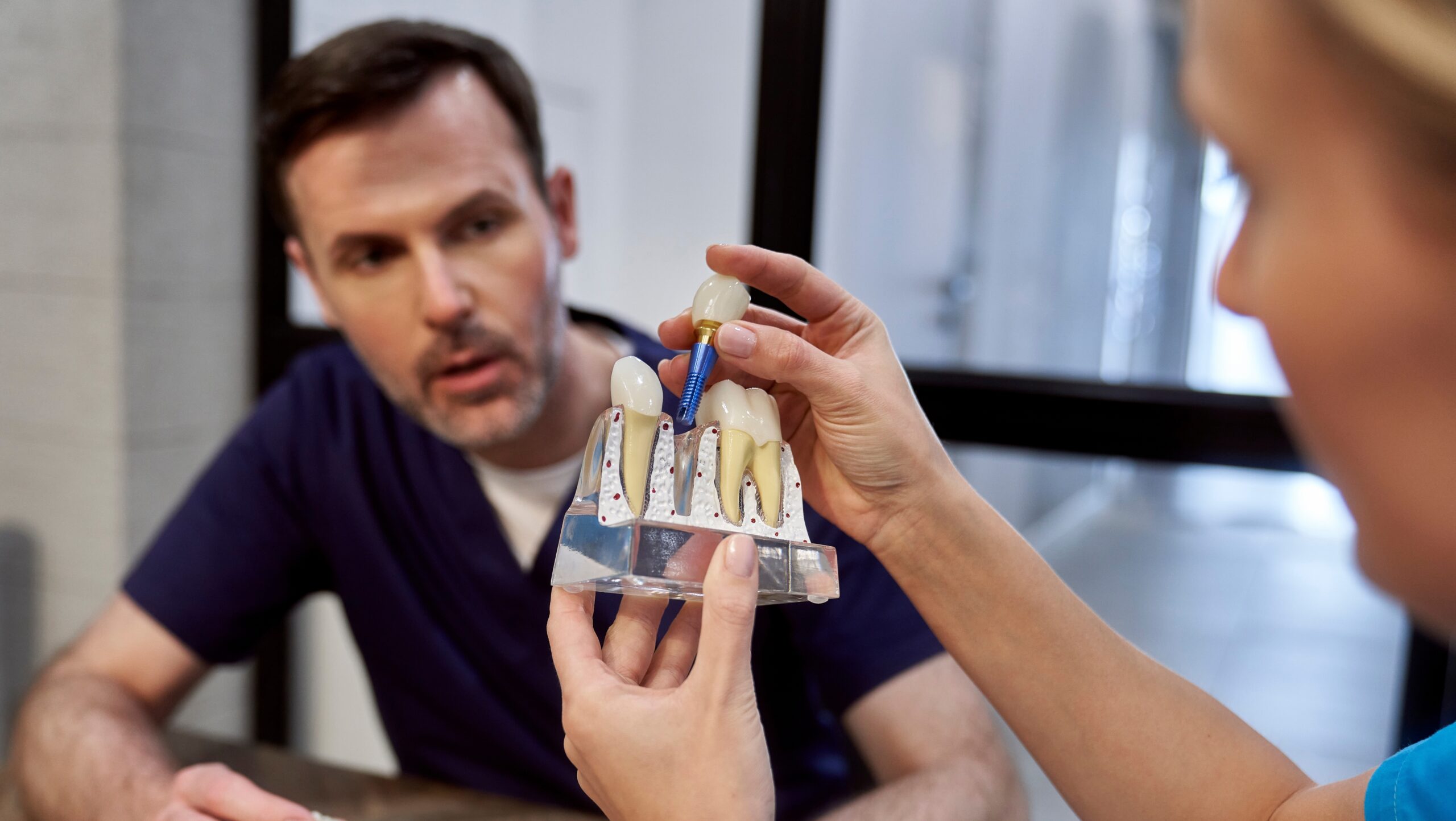
Implants are small titanium posts that attach to your jawbone. They act like roots and hold a replacement tooth or bridge in place. Because they’re fixed, dental implant care focuses on cleaning around the gumline to prevent buildup and infection. You brush and floss implants much like natural teeth, using gentle tools to reach every area.
Some patients get same day teeth implants, which means temporary teeth are placed right after surgery. These let you smile while your mouth heals. Later, you’ll get your final, stronger teeth once everything has healed fully.
How Dentures Work
Dentures are removable. They rest on your gums or connect to implants for added stability. Denture care means cleaning them every day with a special brush and soaking them overnight. It’s also important to rinse after meals and avoid harsh cleaners like regular toothpaste, it is too abrasive for denture materials.
When dentures fit well, they help you chew, talk, and smile comfortably. If they ever feel loose or rub, your dentist can adjust them. Modern secure dentures and implants make life easier since they stay in place while you eat or talk.
Permanent vs. Temporary
You may have heard of permanent dentures or implants. These are implant-supported bridges that don’t come out. They feel like natural teeth and stay in place all the time. Even though they’re “permanent,” they still need daily brushing and flossing to keep gums healthy.
Knowing the difference between implants and dentures helps you treat each appropriately. It also speeds up your cleaning routine and makes it more effective, so your smile stays bright and comfortable.
Habits and Tips to Keep Your Dental Implants and Dentures Healthy
Healthy smiles don’t happen by accident. They come from small, daily habits that protect your mouth and help your implants and dentures last longer. The good news is that these habits are simple. You don’t need fancy products or hours of effort, just a few brilliant routines done the right way.
Here’s a step-by-step walk-through of what it really takes to keep your implants and dentures in great shape.
1. Make Daily Cleaning Part of Your Routine
Daily cleaning is the most important thing you can do for your mouth. Food, plaque, and bacteria can build up quickly, even on artificial teeth. If you keep them clean, you can prevent gum irritation, bad breath, and damage to your dental work.
Brushing Basics
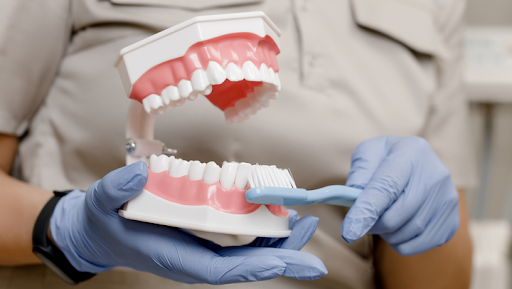
- Brush twice a day. Use a soft toothbrush and gentle circles. Stiff bristles can scratch your dentures or irritate your gums.
- Use the right toothpaste. Choose non-abrasive toothpaste for implants or a mild cleanser made for dentures. Regular toothpaste is too rough.
- Pay attention to your gums and tongue. Brush gently along your gumline and tongue to remove bacteria and keep your mouth fresh.
If you have implants, proper implant cleaning also means brushing around the base where the gum meets the implant. This area can trap food and plaque, so take your time here.
For Denture Wearers
Take your dentures out each night. Brush them carefully and rinse with cool or lukewarm water. Never use hot water it can warp them. Then soak them overnight in a cleaning solution or water to keep them from drying out. That’s what good denture cleaning looks like day to day.
2. Clean Between Teeth and Hard-to-Reach Spots
Some areas are tricky to clean, especially under implant bridges or around denture attachment points. Bacteria love hiding there, so it’s essential to clean them thoroughly.
Here’s how to reach every spot:
- Use floss made for implants. It’s soft, wide, and can slide under bridges or between implants.
- Try interdental brushes. These small brushes clean between teeth or under bridges where your toothbrush can’t reach.
- Use a water flosser. A steady stream of water can quickly remove food particles and plaque.
Patients with Secure dentures and implants that snap into place should remove and clean them daily. Food can collect around the attachment points. Cleaning them carefully each day keeps your gums healthy and your dentures working properly.
3. Watch What You Eat (But Enjoy Your Food!)
Good oral care doesn’t stop with brushing; it includes what you eat and drink, too. The goal is to keep your mouth healthy and your appliances strong.
Here are some simple food tips:
- Eat a balanced diet. Fresh vegetables, fruits, lean meats, and whole grains help keep your gums and bones strong.
- Avoid sticky or hard foods. Caramels, hard candies, and tough meats can put stress on implants or bend dentures.
- Limit sugary drinks. Soda and sweet tea feed bacteria that cause gum problems.
- Drink plenty of water. It helps wash away food and bacteria and keeps your mouth moist.
If you wear permanent dentures implants, eating feels more natural, but that doesn’t mean you can ignore what you eat. Sticky or crunchy foods can still cause wear over time, so it’s smart to be mindful.
4. Handle Your Dentures and Implants with Care
Your new teeth are strong, but they’re not indestructible. Handle them gently when cleaning or removing them.
- Hold dentures over a towel or sink of water when cleaning them. That way, if they slip, they’re less likely to break.
- Avoid bending or twisting dentures when removing or brushing them.
- Don’t use sharp tools like toothpicks or pins to remove stuck food; this can scratch or damage your dental work.
For denture care, it’s also essential to check the fit regularly. If dentures start to feel loose or cause sore spots, schedule a visit to your dental office. A slight adjustment can make a big difference in comfort.
5. Keep Up with Regular Dental Visits
Even with perfect at-home care, you still need professional checkups. Your dentist can spot early signs of problems and help you fix them before they get serious.
- For implants: Professional cleanings help remove any hardened plaque around the implant posts. This supports long-term dental implant care and prevents gum infections.
- For dentures: Visits help ensure your dentures fit comfortably. Over time, your mouth changes shape, and your dentures may need relining or replacement.
Most patients do best with a checkup every six months, but your dentist might recommend more frequent visits based on your needs.
6. Protect Your Smile During Activities
If you play sports or grind your teeth at night, you may need extra protection.
- Use a mouthguard. Custom mouthguards protect your teeth and dental work during sports.
- Consider a nightguard. If you clench or grind your teeth while sleeping, a soft nightguard can help prevent damage to implants and dentures.
- Be careful with temperature changes. Drinking very hot and then icy liquids can stress some denture materials.
These small steps can prevent chips, cracks, or loosening of your dental work keeping your smile healthy for years.
7. Keep Your Gums and Mouth Healthy
Your implants and dentures depend on the health of your gums and mouth. Even if you don’t have natural teeth, your soft tissues still need care.
- Massage your gums daily. Use a soft brush or clean cloth to stimulate blood flow.
- Rinse with an alcohol-free mouthwash. It helps control bacteria and keeps your mouth fresh.
- Stay hydrated. Dry mouth increases your risk of irritation and infection.
Healthy gums keep your implants stable and your dentures comfortable. If you ever notice swelling, bleeding, or soreness that doesn’t go away, call your dental office right away.
8. Know When Something Feels Off
Listen to your body—it often gives early warnings when something needs attention. Here are some signs to watch for:
- Pain or soreness around an implant or under a denture
- A clicking or shifting denture when speaking
- Bleeding when brushing or cleaning
- Swelling or a strange taste in your mouth
These can be signs of infection or poor fit. The sooner you have them checked, the easier they are to fix.
9. Build Good Habits That Stick
Creating a care routine doesn’t have to be hard. A few small changes can make it second nature.
Try these tips:
- Keep your cleaning tools in one spot so you don’t forget.
- Set a reminder on your phone for nightly cleaning or soaking.
- Replace worn toothbrushes or denture brushes every three months.
- Celebrate your progress! A little pride in your smile goes a long way.
Good habits protect both your investment and your confidence.
The Big Picture: A Smile That Lasts
Your implants and dentures are made to restore your smile and give you the freedom to eat, talk, and laugh again. But their success depends on you. With daily brushing, careful denture care, and regular checkups, your smile can stay healthy for many years.
Keep it simple: clean your mouth every day, treat it kindly, and ask your dental team when you have questions. When you follow these steps, your mouth feels comfortable, your breath stays fresh, and your confidence shines every single day.
Conclusion
Caring for your dental implants and dentures doesn’t take much time it just takes consistency. Brush gently, clean carefully, and see your dentist regularly for checkups. When you stay on top of small steps, your smile stays strong, your gums remain healthy, and your confidence shines through every day.
Ready to learn more about personalized care and smile options? Schedule your free consultation today with Britely where your brighter, lasting smile begins!
Frequently Asked Questions
How often should I clean my dental implants?
Brush twice a day and clean between implants once daily using floss, interdental brushes, or a water flosser.
Can I use toothpaste on dentures?
No. Regular toothpaste is too abrasive. Use a soft brush and a denture cleanser made for denture cleaning.
Do dental implants ever need to be replaced?
Implants can last decades with good care, though crowns or bridges may need replacement after several years.
What should I do if my dentures feel loose?
Schedule a checkup. Your dentist can reline or adjust them for a more secure, comfortable fit.
How long does it take to heal after implant surgery?
Healing can take a few months. Temporary teeth may be placed during recovery, with final teeth after full healing.