How Long Do Dental Implants Last? Understanding Dental Implants Longevity
 By: Britely
Dental implants are one of the best ways to replace missing teeth and bring back a confident smile. People love them because they look and feel like real teeth—and they can last a very long time. In fact, long-term studies show that about 4 out of 5 dental implants are still in place and functioning after 20 years. But how long do dental implants last, really?
The answer depends on how well they’re made, how they heal, and how you care for them every day.
Understanding what makes implants last helps you protect your investment and your smile for years to come.
Key Takeaways
Dental implants can last 20 years or more, and many last a lifetime with good care. The titanium post that goes into your jawbone is built to stay strong for decades. The crown, which is the visible part, may need to be replaced every 10–15 years due to normal wear. Regular checkups, daily cleaning, and healthy habits help protect your implants and keep your smile bright for life.
| Key Point | Details |
| Average Lifespan | 20+ years for most implants; many last a lifetime |
| Crown Replacement | Usually every 10–15 years |
| Main Implant Material | Titanium or zirconia (strong and safe for bone) |
| Biggest Factors | Oral hygiene, overall health, and smoking habits |
| Best Care Tips | Brush twice a day, floss, and see your dentist regularly |
| Bonus Benefit | Helps preserve your jawbone and face shape |
What Are Dental Implants Made Of?
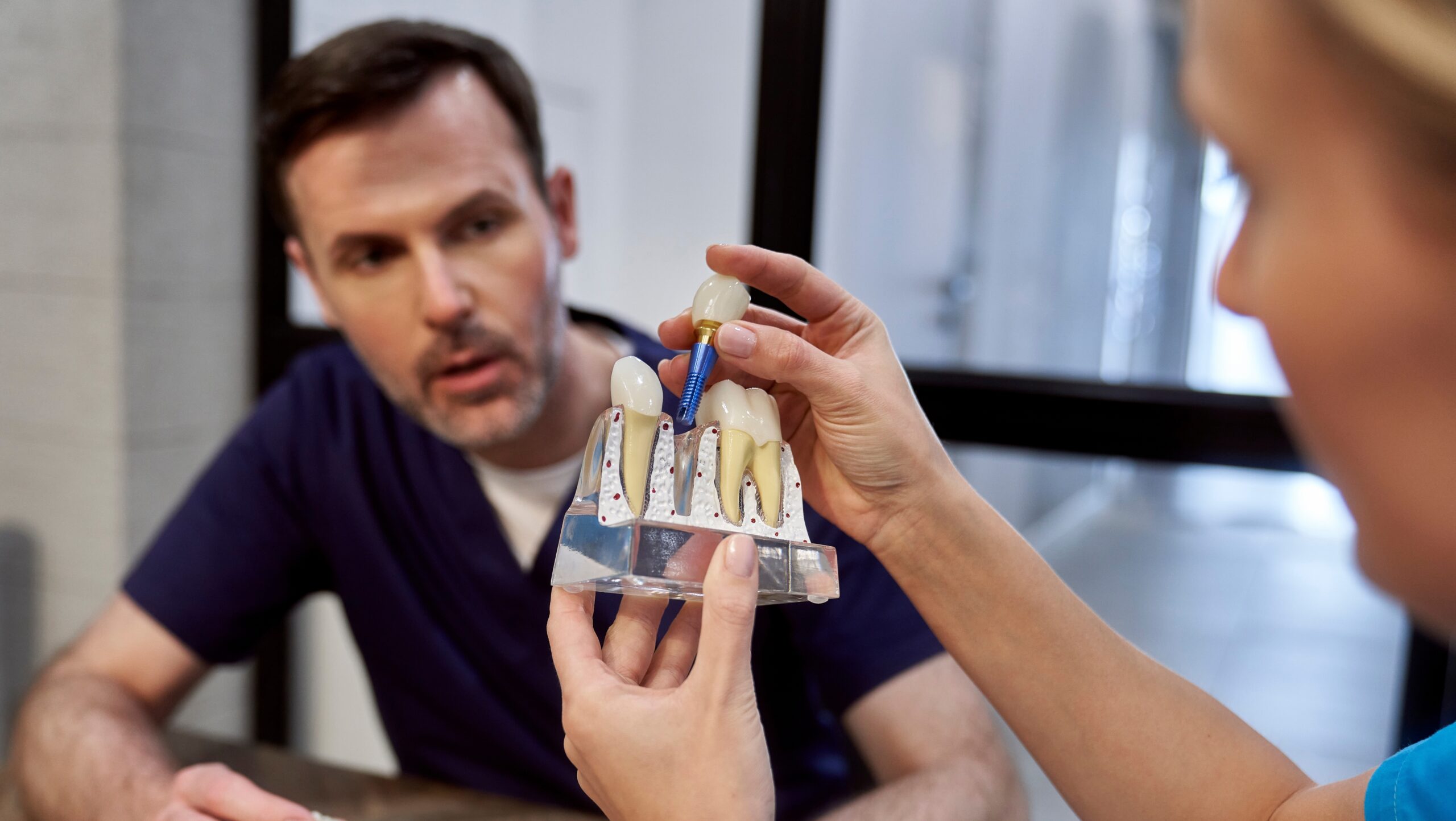
Dental implants are made up of three main parts that work together like a natural tooth. Each part plays a special role in how long the implant lasts and how it feels when you smile or chew.
1. The Implant Post
The post is the foundation. It’s a small screw made of titanium or sometimes zirconia. Titanium is most common because it’s strong, light, and safe for your body. This post goes into the jawbone and acts like the root of a real tooth. Over time, the bone grows around it and holds it tightly in place. This connection is what gives implants their famous strength and stability.
2. The Abutment
The abutment is a small connector that links the implant post to the crown. It sits just above your gums and supports the new tooth. Abutments are usually made from titanium or ceramic. They’re carefully shaped so the crown fits perfectly and looks natural.
3. The Crown or Prosthetic Tooth
The top part of your implant—the crown—is what everyone sees when you smile. It’s often made of porcelain or zirconia to match the color and shine of your natural teeth. Crowns can last about 10–15 years before they may need replacement, depending on how you bite, chew, and care for them.
Each part of the implant is designed for long-term success. This structure is one of the biggest reasons for excellent dental implant durability and long-term dental implants lifespan. With good daily care and regular checkups, implants can easily stay strong and beautiful for decades.
Why People Choose Dental Implants Over Other Options
When you lose a tooth, there are several ways to replace it—like dentures or bridges—but many people choose implants for good reason. They want something that looks, feels, and works like real teeth. Here’s why full mouth dental implants are often the top choice.
1. They Stay in Place
Unlike dentures, implants don’t move or slip when you eat or talk. They’re fixed in your mouth, giving you natural comfort and confidence every day.
2. They Protect Other Teeth
A dental bridge requires shaping the nearby teeth to hold it in place. Implants don’t touch other teeth, keeping them strong and healthy. This makes implants a long-term, tooth-friendly choice.
3. They Support Bone Health
Implants help prevent the bone loss that often happens when teeth are missing. When a tooth is gone, the jawbone starts to shrink. Because implants act like natural roots, they keep the bone active and strong. This benefit of dental implants on bone health helps maintain your face shape and smile over time.
4. They Last Longer
While dentures and bridges may need replacing every few years, implants can last for decades with good care. The overall dental implant life expectancy makes them a smart investment in your oral health.
5. They Feel Natural
Many patients say they forget they even have implants! You can eat, smile, and talk without worry. That comfort, along with a long dental implants lifespan, is why so many people choose them.
What Makes Dental Implants So Strong?
The secret to strong implants is how they connect with your bone and how you care for them afterward. It’s a mix of science, precision, and personal care.
1. Osseointegration: The Body’s Natural Bond
After surgery, your bone starts to grow around the implant post in a process called osseointegration. This creates a firm bond between the implant and your jawbone. The result is incredible stability that feels almost like a real tooth. This natural connection is the foundation of dental implant durability.
2. Expert Design and Materials
Implants are carefully designed to fit your mouth. Titanium and zirconia are both lightweight and biocompatible, meaning your body accepts them easily. This helps ensure long-term comfort and reduces the risk of failure. When done by specialists who plan each step, the results are strong and lasting.
3. Healthy Habits That Protect Your Implants
Even though implants can’t get cavities, the gums and bone around them still need care. Good maintenance of dental implants is simple:
- Brush and floss daily
- Visit your dentist for cleanings and checkups
- Avoid smoking
- Use a mouthguard if you grind your teeth at night
These habits help prevent gum problems like peri-implantitis, which can damage the tissue around the implant. Taking care of your gums and bone keeps your implant strong for life.
4. Realistic Expectations
While implants are long-lasting, it’s important to understand dental implant expectations and reality. The implant post can last for life, but the crown may wear out over time. With professional maintenance, though, even small repairs or replacements are simple. Implants remain one of the most durable and reliable tooth replacements available.
How Long Do Dental Implants Last on Average?
Dental implants are built to last. In fact, they are one of the most reliable and long-lasting options for replacing missing teeth. But how long is “long”? The answer depends on how you care for them, your health, and a few lifestyle choices.
Below is a look at what affects dental implants longevity and what you can expect over time.
1. The Average Lifespan of a Dental Implant
Most dental implants last 20 years or more, and many last a lifetime. Studies show that over 90–95% of implants are still in place after 10 years. That’s an impressive success rate!
Here’s a simple breakdown of what you can expect:
- The implant post (the part in your bone) often lasts a lifetime.
- The abutment (the connector) can last for decades with proper care.
- The crown (the visible tooth) may need replacement every 10–15 years due to normal wear and tear.
So, the post can stay strong for life, but the top part might need a refresh once in a while. Think of it like replacing the tread on a great pair of shoes—you keep the strong base, but the top gets a touch-up after years of use.
That long-lasting strength is what gives implants such a high dental implant life expectancy. Once they’re fully healed and cared for, they can outlast most other dental restorations.
2. What Makes Implants Last So Long
Several factors help implants stay strong year after year. Let’s walk through the biggest ones:
High-Quality Materials
Dental implants are usually made from titanium or zirconia. Both materials are strong, lightweight, and biocompatible, which means your body accepts them easily. Titanium is the most common and has decades of proven success. It actually fuses with your jawbone, creating a sturdy base that mimics a real tooth root.
Strong Bond with the Bone
Once placed, the implant fuses with your bone through a process called osseointegration. This natural bond makes the implant stable and solid. It doesn’t move, shift, or loosen like dentures can. That strong connection also helps keep your bone healthy, reducing the risk of bone loss over time.
Professional Expertise
Implants that are carefully planned and placed by skilled specialists have the best long-term results. Positioning, angle, and bone support all play a big part in long-term dental implant durability. It’s one reason why choosing experienced implant specialists makes such a difference.
Proper Maintenance
Even though implants can’t get cavities, the gums and bone around them can still get infected if plaque builds up. Regular brushing, flossing, and professional cleanings are key for keeping everything healthy. This daily care plays a big role in extending dental implants lifespan.
3. How Care and Habits Affect Longevity
Everyday choices play a big role in how long implants last. The good news is that most of these habits are easy to manage once you know what to look for.
Daily Care
Good oral hygiene helps protect the gums and bone around your implants. Here’s what that looks like:
- Brush twice a day with a soft-bristle toothbrush
- Floss or use a water flosser to clean around the implant
- Rinse with antibacterial mouthwash if recommended by your dentist
- Visit for regular cleanings and checkups every six months
Simple habits like these can make a huge difference in the maintenance of dental implants. They keep the tissue around the implant healthy and free from infection.
Healthy Lifestyle Choices
Your overall health and daily habits can influence how well your implants last. For example:
- Smoking: Nicotine slows down healing and increases the risk of bone loss. Quitting or cutting back can dramatically improve implant success.
- Grinding or clenching: Using a night guard protects your implants from excessive pressure.
- Diet: Eating a balanced diet rich in calcium and vitamin D supports strong bones.
- Chronic health issues: Conditions like diabetes can affect healing, but good management keeps implants healthy.
Regular Dental Visits
Even if your implants feel great, regular checkups are essential. Your dentist can catch small issues early—like inflammation or gum changes—before they cause serious damage. X-rays help ensure the bone around the implant stays strong.
4. Comparing Dental Implants to Other Tooth Replacements
Implants stand out when compared to bridges and dentures. Here’s how they measure up in terms of lifespan and value:
| Tooth Replacement Option | Average Lifespan | Replacement Frequency | Bone Support |
| Dental Implant | 20+ years, often lifetime | Rarely (crown may need replacement after 10–15 years) | Yes |
| Dental Bridge | 7–10 years | Every decade or sooner | No |
| Partial Denture | 5–8 years | Frequent adjustments or replacements | No |
| Full Denture | 5–10 years | Regular replacement due to wear and bone changes | No |
Implants are clearly built to last. They stay fixed, feel natural, and support your bone health long-term. Over time, this means fewer replacements, fewer adjustments, and a better overall return on your investment.
5. Signs Your Implant Is Doing Well
You’ll know your implant is healthy when:
- It feels solid and doesn’t move
- Your gums look pink and healthy around it
- You can chew comfortably
- You don’t feel pain or swelling
A healthy implant should feel like part of your mouth. Many patients forget which tooth is the implant after a while—that’s how natural it feels! That’s the real reward of strong, lasting implants.
6. What Can Shorten the Life of an Implant
While implants are highly durable, certain things can reduce their lifespan. Being aware of them helps you protect your smile.
- Poor oral hygiene: Skipping brushing or cleanings can lead to gum disease or bone loss.
- Smoking: Increases the chance of implant failure, especially in the upper jaw.
- Uncontrolled health conditions: Diabetes, osteoporosis, and other issues can slow healing.
- Poorly fitting crowns: A crown that’s too high or misaligned can put extra pressure on the implant.
- Ignoring warning signs: Pain, redness, or loosening means you should see your dentist right away.
Catching problems early can prevent most implant failures. That’s why regular visits and daily care matter so much.
7. What to Expect Long-Term
It’s realistic to expect your implant to last several decades. Most patients enjoy their implants for the rest of their lives. The key is steady care and routine follow-ups. Over time, your dentist might adjust the crown, polish the surface, or take x-rays to check the bone. These small steps help your implant stay in great shape for many years.
Here’s what the timeline might look like:
| Time After Placement | What Usually Happens |
| First Year | Healing, bone bonding, and checkups every few months |
| 1–5 Years | Normal daily use, routine cleanings and exams |
| 5–10 Years | Possible minor wear on the crown, continued maintenance |
| 10–20+ Years | Implant remains strong; crown may need refreshing |
The implant post itself is made to last for life. As long as the gums and bone remain healthy, it can stay stable for decades.
Dental implants are one of the most durable and trusted solutions for missing teeth. When placed by experts and cared for properly, they often last a lifetime. Their success depends on small, daily habits—brushing, flossing, and seeing your dentist regularly. By keeping up with care and maintaining healthy gums, you give your implants the best chance to stay strong and reliable for many years.
So if you’re thinking about dental implants, you can feel confident in their long-term performance. They’re designed for strength, comfort, and stability that can last a lifetime—and that’s something to smile about!
Conclusion
Dental implants are made to last—often 20 years or more—and with proper care, many last a lifetime. Their strength, comfort, and ability to protect bone make them a lasting solution for missing teeth. If you’re ready to learn how implants can restore your confidence and help you eat, smile, and live freely again, schedule your free consultation with Britely today.
Frequently Asked Questions
How do I clean around dental implants?
Brush twice a day and floss gently around the implant. A water flosser or small brush helps keep the area clean.
Do dental implants ever need replacing?
The implant post can last a lifetime, but the crown may need replacement every 10–15 years due to normal wear.
Can anyone get dental implants?
Most healthy adults can. Your dentist will check your gums, bone strength, and overall health before treatment.
Are dental implants painful to get?
Most patients say it feels similar to a regular dental procedure. Local anesthesia keeps you comfortable during surgery.
Do dental implants feel like real teeth?
Yes! Once healed, they look, feel, and work just like natural teeth—you can eat and smile with total confidence.