Why Dental Implants Are Worth the Investment: Long-Term Benefits Explained
 By: Britely
Losing a tooth can change small things fast. Eating feels harder. Smiling feels different. Even talking can feel odd. Many people start asking the same question: “What will help me feel normal again?” A big part of that answer comes from understanding the real dental implants benefits and how they help people chew, speak, and smile with comfort over time.
Before deciding on full mouth dental implants or any treatment, it helps to know what happens inside your mouth after a tooth is gone and what choices you truly have. That’s the first step to making a smart decision that fits your life and your budget.
Key Takeaways
Dental implants are worth the investment because they last a long time, look natural, and help you chew, speak, and smile with confidence. Unlike dentures or bridges, implants are fixed in place and do not slip, which makes eating easier and more comfortable. They also help keep your jawbone strong and protect nearby teeth from damage. Over time, implants can save money by avoiding repeated repairs and replacements.
| Benefit | What It Means | Why It Matters |
| Long-lasting | Can last many years or a lifetime | Fewer replacements needed |
| Natural look | Looks like real teeth | Boosts confidence |
| Strong chewing | Bites and eats like real teeth | Enjoy more foods |
| Bone support | Keeps jawbone healthy | Helps prevent face sagging |
| Tooth protection | Does not harm nearby teeth | Keeps mouth healthier |
| Low upkeep | Easy to care for | Saves time and money |
What Happens When You Lose a Tooth?
When a tooth is gone, the space does not stay quiet. Your mouth starts to change.
First, nearby teeth may move. They lean into the open space. This can change your bite and make teeth harder to clean. Food can get stuck more often. Cavities and gum problems become easier to get.
Next, your jawbone starts to shrink. The tooth root used to send signals to the bone when you chewed. Without that signal, the bone slowly loses strength and size. This can change how your face looks over time.
Here are some common changes people notice:
- Chewing feels uneven
- Speech sounds different
- Gums feel sore near the gap
- Smiling feels awkward
- Face shape slowly changes
Bone loss is a big reason dentists talk about dental implants and bone health. Implants act like a tooth root. They put pressure on the bone when you chew. That pressure can help the bone stay active and strong.
Missing teeth can also affect daily habits:
- You may avoid crunchy foods like apples
- You may chew on one side only
- You may cover your mouth when laughing
These changes can feel small at first. Over time, they add up. That is why replacing a tooth early often leads to better comfort later.
What Are the Ways to Replace a Missing Tooth?
You have three main choices when a tooth is gone. Each one works in a different way.
1. Dentures
Dentures sit on top of the gums.
Pros:
- Lower cost at first
- No surgery
Cons:
- Can slip while eating or talking
- Need daily removal
- Often replaced every 5–7 years
- Do not protect the jawbone
2. Dental bridges
A bridge connects a fake tooth to nearby teeth.
Pros:
- Fixed in place
- Faster than implants
Cons:
- Nearby teeth must be filed down
- Can weaken healthy teeth
- Bone can still shrink under the replacement tooth
- May need replacement after 8–12 years (lifespan varies by materials, hygiene, and bite force)
3. Dental implants
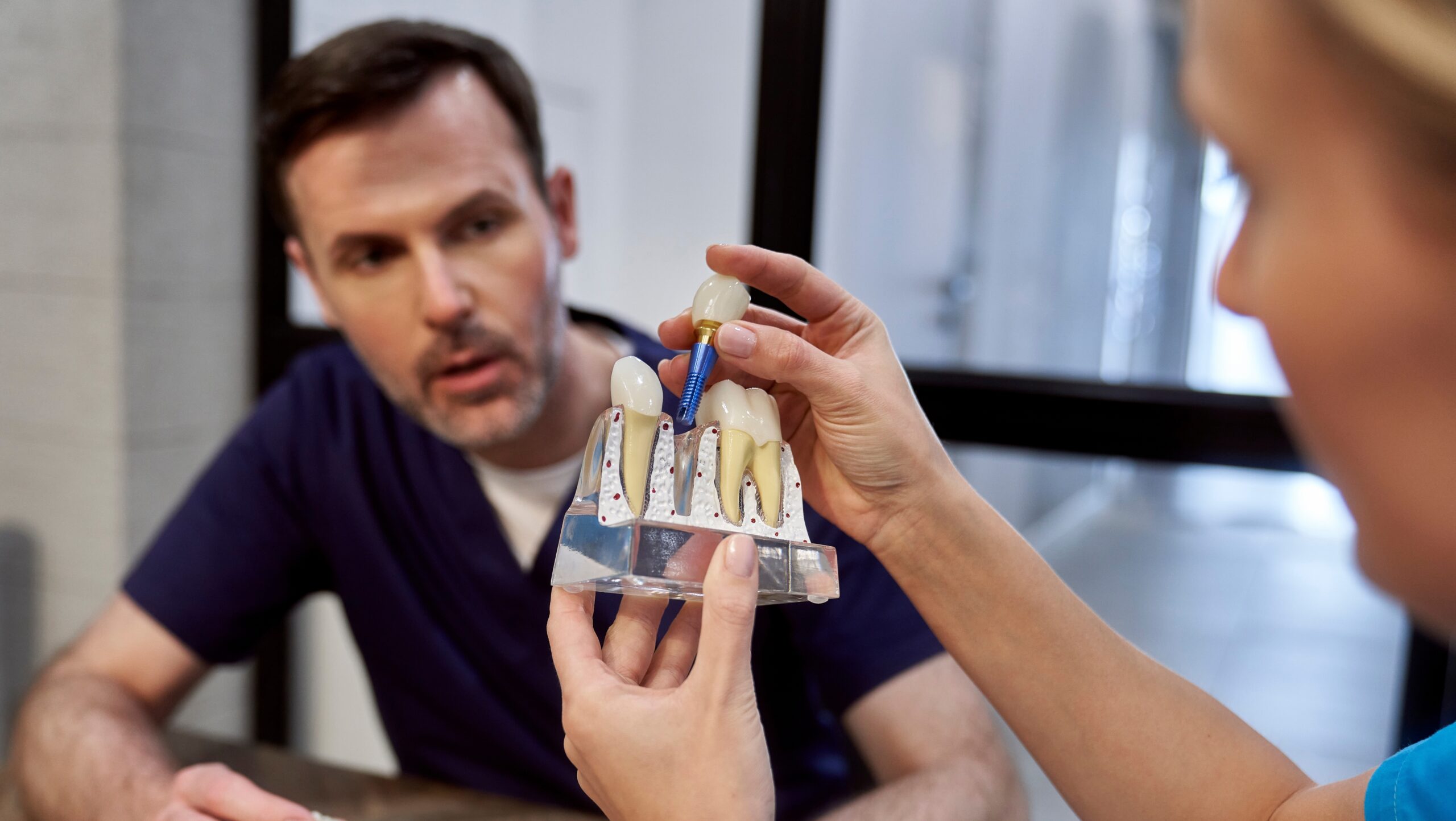
An implant places a small post into the jawbone. A crown goes on top later, after healing.
This option is known for strength and long-term comfort. Many patients choose implants because of the dental implants benefits they feel every day:
- Stable when chewing
- Natural look
- No damage to nearby teeth
- Supports jawbone
Some people need one implant. Others may need several teeth replaced or even full mouth dental implants if many teeth are missing.
Each option can help. The right choice depends on your health, goals, and budget. Knowing how each works makes the decision clearer and less stressful.
Why Do Dental Implants Cost More at First?
Dental implants often cost more upfront because the treatment has more steps and uses advanced tools.
Here is what the process usually includes:
- Exam and 3D scan
- Implant surgery
- Healing time
- Temporary teeth (when needed)
- Final crown placement
Each step uses skilled care, clean surgical rooms, and custom-made parts.
You may hear people talk about:
- Dental implant cost for one tooth
- The cost of dental implants for several teeth
- Permanent dental implants as a long-term option
These prices reflect the full process, not just one visit.
Implants also use strong materials:
- Titanium posts that bond to bone
- Custom crowns made to fit your bite
- Precise planning to protect nerves and bone
While dentures and bridges cost less at first, they often need:
- Repairs
- Relines
- Replacements
Over 10–20 years, these repeat costs can grow. Many people find implants cost less overall when added up across many years.
A simple example:
- Dentures are replaced every 6 years
- Bridges are replaced every 10 years
- Implants often last decades
Paying more once can reduce future dental bills and extra visits. That peace of mind matters to many families.
Long-Term Benefits of Dental Implants for Your Health and Smile
Dental implants help your mouth work the way it should. They help you eat, talk, and smile with comfort. Over time, these changes build confidence and make daily life easier. This is why many patients talk about the lasting dental implants benefits they feel long after treatment is done.
Eat With Comfort and Confidence
Missing teeth or loose dentures can make chewing slow and tiring. Food may move around. Pressure can hurt the gums. Dental implants stay firm because they are placed in the jawbone, like natural tooth roots. This gives steady support when you bite and chew.
People often say they enjoy food again without thinking about their teeth. They can generally eat meat, fruit, and crunchy foods with less worry. Meals feel normal, not stressful.
Speak Clearly Without Worry
Teeth help guide the tongue when we talk. When a tooth is missing or loose, some sounds can come out unclear. Implants do not shift or slide. They stay in place while you speak.
This helps words sound clear and natural. Phone calls, school talks, and family chats feel easy again. You do not need to slow down or repeat yourself as often.
Keep Your Jawbone Strong
When a tooth is lost, the jawbone in that area can slowly shrink. It no longer gets pressure from chewing. Dental implants replace the tooth root and bring that pressure back. This supports bone strength and helps keep your face shape and bite steady.
Strong bone also helps other teeth stay in place. This is one reason doctors talk about long-term mouth health when explaining dental implants benefits.
Built to Last for Many Years
Implants are made from strong materials and placed with careful planning. With good brushing, flossing, and regular checkups, they can last for decades. This long life is known as dental implants longevity.
The crown on top may need replacing after many years, but the implant in the bone often stays strong. This makes implants a stable, long-term solution for many patients.
Understanding the Long-Term Value
At first, the dental implant cost can seem high. Surgery, planning, and custom-made teeth all play a role. Still, over time, the cost of dental implants may be lower than options that need frequent repairs or full replacement.
Dentures and bridges can wear out or loosen and often need to be replaced every few years. Implants are designed to last and usually need fewer fixes. For many people, paying once for a long-term solution brings peace of mind.
A Natural Feel That Stays With You
Permanent dental implants are fixed in place and stay in your mouth all the time. They do not come out at night. They do not need glue. Daily care feels simple, like caring for natural teeth.
This steady comfort helps people feel relaxed at work, at meals, and in social moments. Eating feels normal. Smiling feels easy. Talking feels natural.
Over the years, these small, steady improvements protect your health and support a full, active life. That lasting comfort and strength are what make dental implants such a trusted long-term choice.
Conclusion
Dental implants give people strong teeth, steady smiles, and better comfort for daily life. They help protect the jaw, support clear speech, and make eating feel easy again. The cost at the start can feel high, but many patients see long-term value through fewer repairs and better health.
If you want clear answers about your options, a friendly team at Britely can help guide you step by step.
Frequently Asked Questions
What age is best for dental implants?
Adults with full jaw growth can get implants. Many patients are in their 30s to 70s. Good bone health matters more than age.
Do dental implants feel real?
Yes. After healing, most people say implants feel like natural teeth when eating and talking.
How long does healing take?
Most people heal in 3–6 months before final teeth are placed.
Can implants fail?
Failure is rare, but smoking, poor hygiene, or uncontrolled medical conditions, and gum disease can raise the risk.
Can implants replace many teeth at once?
Yes. Multiple implants or full sets can be used to replace several or all missing teeth.