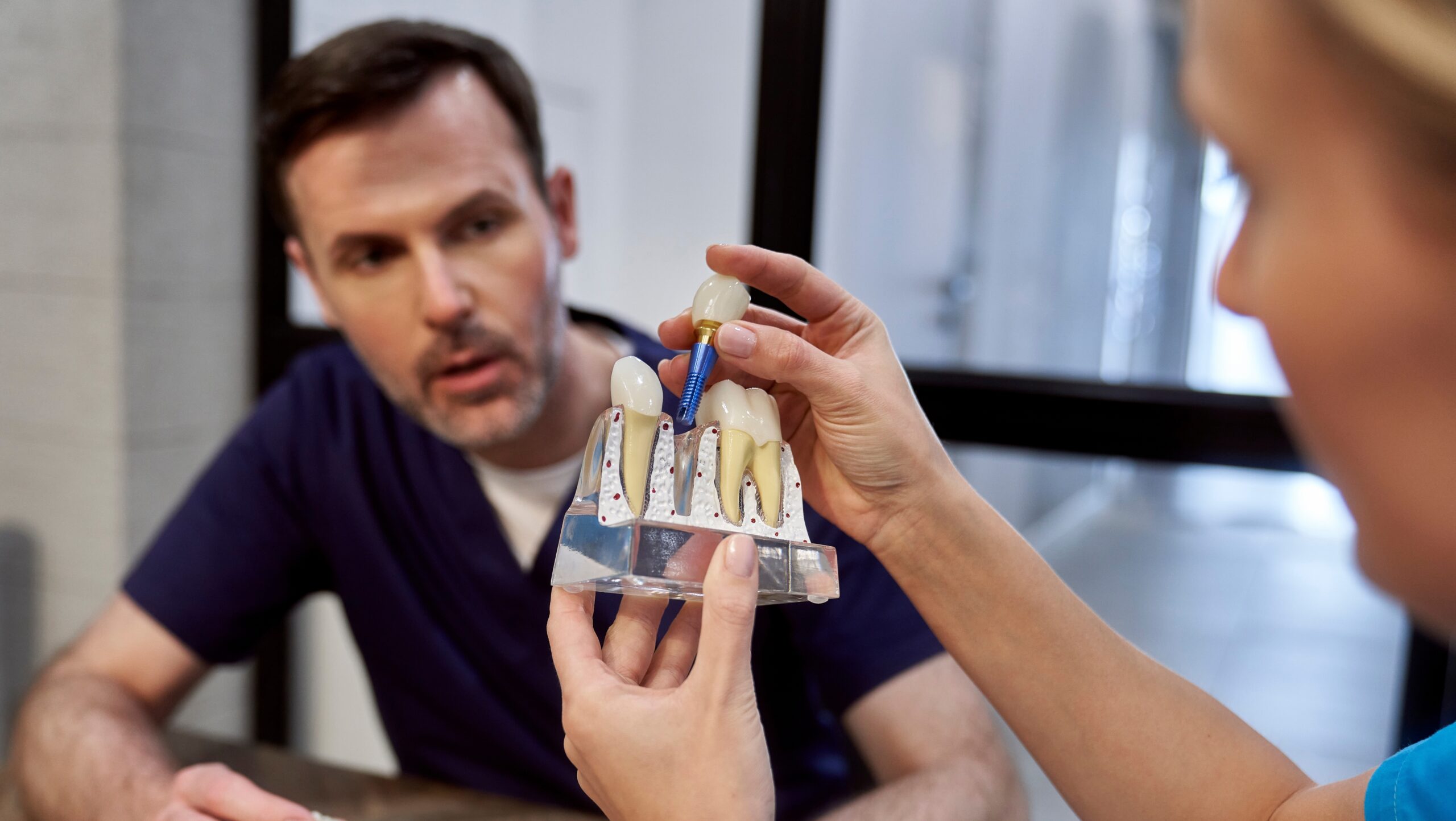
When a Second Opinion on Full Mouth Implants Is Worth It
 By: Britely
Getting full mouth dental implants means spending thousands of dollars and trusting someone to change your smile forever. You want to feel sure about your choice.
But what if something feels off about your treatment plan? What if the cost seems too high or the dentist is pushing you to decide right away? These feelings matter. A second opinion can give you peace of mind before you commit to such a big decision.
Many people think asking for another dentist’s view seems rude or means they don’t trust their current dentist. That’s not true. Smart patients ask questions and sometimes need to get more than one answer before major surgery. Your mouth, your money, and your comfort all deserve careful thought.
Knowing when to seek that second opinion can save you time, money, and regret down the road.
Key Takeaways
You should get a second opinion on full mouth dental implants when you feel rushed to decide, when costs seem unclear or extreme, when you’re told you’re not a candidate without clear reasons, when your dentist won’t answer your questions, or when you’re being sold on final teeth in one day instead of a staged plan that includes a temporary “test drive” and healing. Second opinions help you confirm the diagnosis, compare treatment approaches, and feel confident before making such a major investment.
| Situation | Why It Matters |
| Rushed decisions | Real dental problems rarely need same-day choices |
| Unclear costs | Prices vary widely depending on your needs—you deserve transparency |
| “Not a candidate” diagnosis | Advanced options exist that some dentists don’t offer |
| Different treatment plans | Multiple valid approaches may exist for your case |
| Defensive dentist | Good providers welcome informed patients |
| Experience questions | Training levels vary widely since implants aren’t a specialty |
| Fast timeline | Watch out for final “teeth in one day” promises |
What Are Full Mouth Implants? (And Why Do They Cost So Much?)
Full-mouth implants replace all your upper or lower teeth with permanent replacements. Instead of removable dentures, these teeth attach to titanium posts that go into your jawbone. The posts act like artificial tooth roots. Once they heal, your dentist attaches a full set of teeth to them.
You might hear about different types. All-on-4 uses four implants per arch. All-on-6 uses six. Some people get individual implants for each tooth. Each approach works differently and costs differently.
The price tag shocks most people. Full-mouth implants can cost tens of thousands of dollars, and prices vary significantly depending on the approach, materials, and provider. Why is it so expensive? You’re paying for surgery, materials, lab work, and the dentist’s expertise. The quality of materials matters too. Zirconia teeth last longer and look more natural, but cost more than acrylic ones. Cheaper isn’t always better when something will live in your mouth for decades.
Think of it like buying a car. A basic model gets you from place to place. A higher-end model offers better performance and features. Both work, but the experience differs. The same goes for tooth replacement options in dentistry.
Not All Dentists Have the Same Training for Implants
Here’s something surprising. Dental implant surgery is not a recognized specialty. No official certification is required. That means oral surgeons, periodontists, prosthodontists, and even general dentists can all perform the same procedures.
Some dentists have years of advanced training. Others took a weekend course. Both can legally place implants. The experience gap can be enormous.
Most dental schools didn’t even teach implants until recently. Many dentists practicing today learned on their own after graduation. They attended courses, watched videos, and practiced. Some completed hundreds of cases. Others did just a handful.
This matters for your treatment. A dentist who does five full mouth cases a year has less experience than one who does fifty. Complex cases need skilled hands. You want someone who has seen many different situations and knows how to handle problems in real time.
Your Mouth Is Unique (So Treatment Plans Should Be Too)
No two mouths are exactly alike. Your bone density, jaw shape, gum health, and bite pattern create a unique situation. What works perfectly for your neighbor might not suit you at all.
That’s why different dentists might suggest different approaches. One might recommend All-on-4. Another might say All-on-6 gives you better stability. A third might suggest individual implants. All three could be right. They’re just looking at your case through different lenses based on their training and experience.
Your bone quality plays a big role. Strong, thick bone supports four implants well. Thinner bone might need six or eight for proper support. Some dentists only know one technique. They’ll try to fit every patient into that same solution. Others have multiple tools in their toolbox and pick the best one for each person.
This is exactly why second opinions help. You get to see your situation from another angle. You learn about options the first dentist never mentioned. Then you can choose the approach that makes the most sense for your goals and budget.
Signs You Should Get Another Opinion Before Moving Forward
Your Dentist Is Rushing You to Decide
Real dental emergencies are rare. If a dentist pressures you to commit today or lose a special price, that’s a red flag. Major surgery deserves careful thought. “Today only” deals and pressure tactics belong in car sales, not healthcare.
A good dentist gives you time. They want you to feel comfortable and sure. They expect you to think about it, maybe talk to family, and come back with questions.
The Treatment Plan Seems Too Aggressive (Or Too Simple)
You’ve had regular checkups for years with minor problems. Suddenly, one dentist says you need to pull all your teeth and get implants. That’s worth questioning.
On the flip side, you know you have serious issues. But the dentist says nothing can be done. You expected to hear about options. Advanced techniques exist for almost every situation. If you’re told you’re not a candidate, find out why. Sometimes “not a candidate” really means “not a candidate for what I know how to do.”
You’re Told You’re Not a Candidate (But You’re Not Sure Why)
“You don’t have enough bone” is a common reason dentists give. But bone grafting can build up thin bone. Zygomatic implants attach to your cheekbone when the upper jaw bone is too weak. Not every dentist offers these advanced solutions.
If you’re turned down, get another opinion from someone who specializes in difficult cases. You might find out you have more options than you thought.
The Cost Seems Way Too High or Suspiciously Low
Prices for the same procedure vary by location and dentist. But extreme differences raise questions. If you’re getting quotes that are dramatically different from one another for similar work, that gap is worth investigating.
Super low prices might mean lower quality materials, less experienced staff, or hidden costs. Sky-high prices might include unnecessary extras. Ask for detailed breakdowns. Compare what’s actually included in each quote.
Your Dentist Won’t Share Your Records or Gets Defensive
You have a legal right to your X-rays and dental records. A dentist who makes it hard to get them or acts insulted when you ask is showing you something. Good dentists understand you might want another opinion.
Defensiveness or guilt trips about seeking other advice are warning signs. Your healthcare, your choice.
You Don’t Understand the Treatment Plan
After your dental implant consultation, you should understand what will happen and why. If the dentist uses technical terms without explaining them, that’s a problem. If you leave feeling confused instead of informed, you need clearer communication.
You’re not supposed to know dental terminology. The dentist’s job is to translate complex ideas into plain English. If they can’t or won’t do that, find someone who will.
The Experience Level Seems Unclear
When you ask how many full mouth cases a dentist has completed, you deserve a real number. “Quite a few” or “many” aren’t answers. You want to hear “I’ve completed 200 full arch cases” or “I do about three per month.”
Before-and-after photos help too. They show real results from real patients. If a dentist can’t show you examples of their work, that tells you something about their experience level.
Confused about your options? Britely’s team provides clear explanations and honest answers to help you understand your treatment choices.
What to Ask at Your Second Opinion Appointment
Walking into a second opinion appointment prepared makes all the difference. The right questions help you understand your options and compare them fairly. They also show you how well the dentist communicates and how much they care about your concerns.
Here are some common dental implants questions organized by topic so you get clear answers and leave feeling confident.
Questions About the Dentist’s Experience
Start with the basics. How many full-mouth cases have you completed? What specific training do you have in implant dentistry? Can I see photos of similar cases you’ve done? Do you place the implants and make the final teeth, or do you refer that work to someone else?
These questions give you a picture of who’s actually doing your treatment and how qualified they are.
Questions About Your Specific Treatment Plan
Now focus on your situation. Why do you recommend this approach for my mouth? What other options do I have? The dental implants procedure and timeline vary by technique. Ask how long each step takes and when you’ll get your final teeth.
Find out if you need bone grafting or other prep work first. Ask what happens if you don’t have enough bone. How does this dentist’s plan compare to what your first dentist suggested? Understanding these differences helps you make a smart choice.
Questions About Materials and Quality
Not all implants are created equal. What brand will be used? Is it FDA-approved? What material will your teeth be made from—acrylic, zirconia, or something else? Where is the lab work done? What’s the difference in quality between your material options?
These questions affect how your teeth look, feel, and last.
Questions About Timeline and Recovery
How long until you get your permanent teeth? Will you have temporary teeth while healing? What will recovery feel like? How many appointments will the whole process take?
Understanding the timeline helps you plan work, family events, and your schedule.
If you’re being promised final teeth in one day, it’s important to understand the real risks, especially given the significant cost.
Questions About Costs and Guarantees
Get specific about the cost of dental implants at this practice. What’s the total, broken down by each part? What’s included versus what costs extra? What if something goes wrong—are there additional charges?
Ask about warranties or guarantees. What financing options exist? The more you know now, the fewer surprises later.
How Different Treatment Approaches Compare
All-on-4 vs All-on-6 vs All-on-8
All-on-4 uses four implants per arch. Two go straight in the front. Two angles in the back. This works well for people with decent bone density. It’s usually the least expensive option.
All-on-6 adds two more implants for extra support. This gives you more stability and spreads chewing force across more points. It costs more but may last longer.
All-on-8 uses eight implants. This option works for people with weaker bones or those who want maximum support. More implants mean higher cost but also more security.
Which one you need depends on your bone quality and bite force. There’s no “best” option for everyone.
Fixed Teeth vs Removable Options
Fixed the teeth screw onto the implants. Only your dentist can remove them. They feel and work like natural teeth. You can’t take them out at night. They don’t cover the roof of your mouth.
Removable options snap onto the implants but you can take them out. They’re easier to clean. They cost less. But they still have some bulk in your mouth and may feel less secure.
Many people prefer fixed teeth because they’re closest to natural. But removable options work great for some people and cost thousands less.
Premium Materials vs Budget Options
Zirconia costs the most. It looks the most natural. It resists stains and lasts the longest. It feels smooth and strong. Most people can’t tell zirconia teeth from real ones.
Acrylic costs less. It works well, but may need replacement sooner. It can stain over time. It’s not as durable under heavy chewing force.
The material you choose affects your daily life for years. Weigh the upfront cost against long-term value.
Red Flags That Mean You Definitely Need Another Opinion
Watch out for final “teeth in one day” promises without meeting with a doctor who can explain the risks without bias. Real treatment takes planning. Be wary if there’s no 3D imaging or a detailed treatment plan. Modern implant surgery requires precise planning. You should see digital scans of your jaw.
If the dentist gets annoyed at your questions, that’s a major red flag. You’re the customer and the patient. Questions are normal and expected.
Some offices feel more like sales floors than medical practices. High-pressure sales tactics, pushy staff, and a focus on closing the deal all suggest you should walk away.
Finally, trust your gut. If something feels wrong, it probably is. You don’t need to prove why you feel uncomfortable. Just go get another opinion.
What Happens at a Good Second Opinion Visit
A proper second opinion starts with a thorough exam. This includes new X-rays or 3D scans. The dentist looks at your current situation with fresh eyes.
Then comes honest discussion. A good dentist explains what they see and what options you have. They talk about the pros and cons of each approach. They don’t just push one solution.
You should never feel rushed. No pressure to decide today. No guilt about comparing options. The dentist respects your first dentist while offering their own perspective.
You’ll leave with a written treatment plan. This makes it easy to compare specifics side by side. Good dentists want informed patients who feel confident in their choices.
How to Get Your Records for a Second Opinion
You have a legal right to your X-rays and dental records. Getting them is simple. Call or email your dentist’s office. Make a written request for copies. Most offices provide them within a few days.
There might be a small copying fee. Sometimes it’s free. Either way, they must give you your records.
Bring everything to your second opinion appointment. The new dentist needs to see what’s already been done and what the first dentist found. This saves time and gives them the full picture.
Making Your Final Decision After Getting a Second Opinion
If Both Dentists Agree
Great news. Two separate experts see your situation the same way. You can proceed with confidence. Now choose based on comfort level, experience, and cost.
The validation from two sources means the diagnosis and treatment plan are solid. Pick the dentist you connect with best.
If the Opinions Differ Significantly
This happens more than you’d think. Compare the reasoning behind each plan. Look at each dentist’s experience level. Which explanation makes more sense to you?
For very different approaches coming from less experienced implant dentists, consider a third opinion. Three perspectives give you an even fuller picture. You’re not being difficult. You’re being thorough about a major decision.
Trust Your Gut
You should feel heard and respected. The dentist should inspire confidence without being arrogant. Clear communication matters. You should leave appointments feeling more informed, not more confused.
If you feel rushed or uncomfortable, that’s your instinct talking. Listen to it. Taking time to decide shows wisdom. The right dentist will appreciate your careful approach.
Conclusion
Getting full mouth dental implants ranks among the biggest dental decisions you’ll ever make. The investment in time and money is substantial. Your comfort and confidence matter just as much as the technical details.
Seeking a second opinion doesn’t mean you doubt your dentist. It means you’re a smart healthcare consumer. The best dental professionals respect patients who ask questions and want to fully understand their options.
Take your time. Compare your options. Ask every question that comes to mind. Two perspectives give you a fuller picture than one ever could. Your mouth will live with this decision for decades. A few extra appointments now can save you from regret later.
The right treatment plan is out there. The right dentist is waiting. You just need to do your homework to find both. Your smile is worth the extra effort.
Don’t settle for uncertainty. Schedule your complimentary consultation with Britely today and discover why our patients trust us for their most important dental decisions—because your smile deserves a team that takes the time to get it right.
Frequently Asked Questions
How long do full mouth dental implants typically last?
With proper care, implants can last 15-25 years or even a lifetime. The crown on top may need replacement every 10-15 years, depending on wear and material quality.
Can I get whole mouth dental implants if I have diabetes?
Yes, but your blood sugar must be well-controlled. While diabetes can increase the risk of infection and slower healing, modern studies show that patients with well-controlled blood sugar have implant success rates comparable to non-diabetic patients. According to the American Diabetes Association, an HbA1c level below 7% is considered well-controlled for most adults — and that’s the threshold most dental professionals look for before proceeding with implant surgery.
What are the most common dental implant questions patients forget to ask?
Most people forget to ask about the dentist’s failure rate, what happens if an implant fails, whether the quote includes all follow-up visits, and what daily maintenance will look like long-term.
Will insurance cover any part of my full mouth implants?
Most dental insurance considers implants cosmetic and covers little to nothing. Some plans may cover a portion depending on your plan and which parts of treatment are covered, and medical insurance might cover accident-related tooth loss.
How painful is the dental implant procedure?
Most patients report surprisingly little pain. You’re numb during surgery and receive pain medication after. Many say it’s similar to, or sometimes le