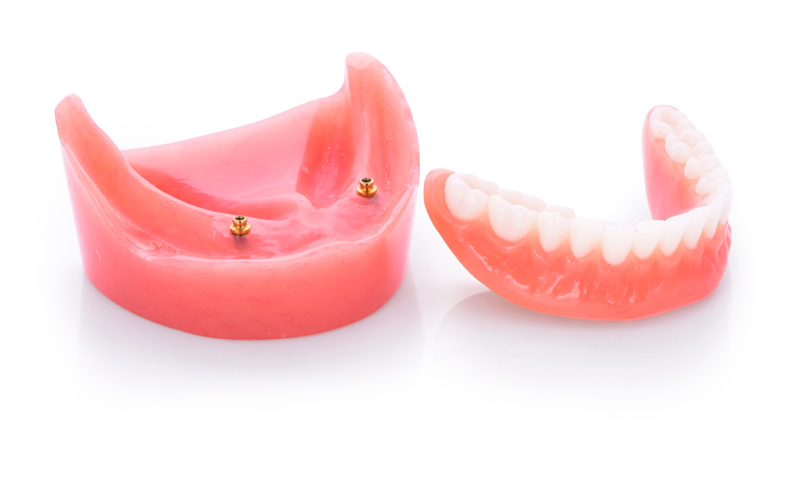
What to Know About Snap-On Dentures: Costs, Benefits, and Choosing the Right Implant Studio
 By: Britely
Missing most or all of your teeth affects more than your smile. It changes how you eat, speak, and feel about yourself. Traditional dentures help, but they slip, require messy adhesives, and can make simple things like laughing with friends feel risky.
Snap-on dentures solve these problems by attaching securely to two or more dental implants in your jaw. They stay in place when you eat and talk, but you can still remove them for cleaning.
Understanding what they cost, how they work, and how to find a skilled provider helps you make the right choice for your needs.
Key Takeaways
Snap-on dentures attach to 2-6 dental implants surgically placed in your jawbone. They offer better stability than traditional dentures, help preserve your jawbone, and may restore about 60-70% of your natural chewing ability (depending on the patient) while remaining removable for easy cleaning. Costs vary depending on the number of implants, materials, and your provider.
| Topic | What You Need to Know |
| Cost Range | Varies based on the number of implants, materials, and the provider |
| Number of Implants | Commonly 2-4 for lower arch, 4-6 for upper arch |
| Timeline | Typically 3-6 months from surgery to final dentures |
| Lifespan | Typically, 3-6 months from surgery to final dentures |
| Daily Care | Remove nightly, brush with denture cleaner, store in water |
| Main Benefits | No slipping, no adhesive, preserves jawbone, comfortable |
Are Snap-On Dentures Right for You?
Snap-on dentures combine the convenience of removable dentures with the stability of dental implants. Small titanium posts are placed into your jawbone during a relatively simple outpatient surgical procedure. These posts act like tooth roots. Your custom dentures have special attachments that click onto these posts, holding everything firmly in place.
This solution works best for people missing most or all of their teeth who want something more secure than traditional dentures. You get the freedom to remove your dentures at night for cleaning, but during the day, they stay locked in position. No more worrying about dentures falling out when you bite into an apple or laugh during dinner.
Not everyone is suitable for treatment right away. You need healthy gums and enough jawbone to support the implants. Bone grafting for dental implants can help if your bone has shrunk over time. Your dentist will take 3D scans during your consultation to check if you’re ready or if you need preparatory work first.
How Snap-On Dentures Differ from Regular Dentures
Traditional dentures rest on your gums and stay in place through suction and denture adhesive. They shift when you chew. They can slip when you talk. Many people deal with sore spots where the dentures rub against their gums.
Implant-supported dentures attach directly to titanium posts in your jaw. Picture snapping a lid onto a container—that’s how secure the connection feels. The implants anchor your dentures so they don’t move around. You can eat harder foods. You can speak clearly without your dentures clicking or shifting.
The implants also send signals to your jawbone when you chew, just like natural tooth roots do. This keeps your bones strong and healthy. Regular dentures don’t provide this stimulation, so your jawbone gradually shrinks over time. That’s why traditional dentures need frequent adjustments and replacements as your jaw shape changes.
The Snap-On Denture Process: What Happens Step by Step
Your journey starts with a detailed consultation. The dental team takes 3D scans of your jaw and evaluates your oral health. They create a custom treatment plan showing exactly how many implants you need and where they’ll go.
During surgery, you receive local anesthesia or sedation to keep you comfortable. The surgeon places titanium posts into your jawbone at precise angles. This usually takes 60 to 90 minutes. Many patients get same-day temporary teeth to wear while healing. Your care team will tell you what’s appropriate for your case.
The healing period generally lasts 3 to 6 months. Your implants fuse with your jawbone during this time—a process called osseointegration. You’ll have follow-up appointments to check your progress and adjust your temporary dentures as needed. Dealing with dental implant discomfort during healing is normal, but most people return to their regular activities within 2 to 3 days after surgery.
Once healing completes, you return for new impressions. The lab creates your final dentures with the snap attachments built in. At your fitting appointment, you learn how to insert and remove your new dentures. In some cases, an implant-supported upper denture can be designed to cover less of the roof of your mouth, which can improve comfort and taste.
How Much Do Snap-On Dentures Cost?
What the Price Includes
The total cost covers several important components. You pay for the surgical placement of your implants, the implants themselves, and all the connecting pieces called abutments. The price also includes your temporary dentures, your final custom dentures, and follow-up visits for adjustments.
Many practices include sedation options in their pricing. Some also cover the initial 3D scans and treatment planning. At Britely, we offer package pricing that covers everything. Not only that, our in-house lab speeds up the process and helps control costs without cutting corners on quality.
Average Costs Explained
Snap-on dentures cost varies based on how many implants you need, the materials used, and your provider’s location and experience. Generally, fewer implants cost less, while more implants provide better stability at a higher price point.
A complete set for both upper and lower arches will naturally cost more than treating a single arch. Most specialists recommend at least four implants per arch when your budget allows, as this provides the best balance of stability and value.
Factors That Change Your Final Price
Your location affects pricing. Dental practices in large cities charge more than rural areas due to higher operating costs. The experience level of your surgeon matters too—certified specialists often charge more but bring valuable expertise.
If you need extra procedures like tooth extractions or bone grafting, those add to your total. Your jaw’s current condition determines what preparatory work you need.
Insurance and Payment Options
Some dental insurance plans help cover a part of the cost. Insurance sometimes pays for the denture portion, but considers implants cosmetic and usually limits coverage. Medicare doesn’t cover dental implants or dentures in most cases.
Payment plans make treatment accessible. Many practices work with financing companies like CareCredit. Britely offers numerous flexible payment options because we truly believe everyone deserves to eat and smile confidently.
Long-Term Investment Costs
The rubber o-rings or other attachment inserts that hold your dentures in place wear out periodically and are inexpensive to replace—it takes just a few minutes at your dentist’s office. Your dentures themselves last about 5 to 10 years before needing replacement. The implants can last 20 years or longer for many patients with proper care.
Compare this to traditional dentures, which need relining every year or two and complete replacement every 5 to 7 years. Over time, snap-on dentures often cost less than constantly adjusting and replacing traditional dentures.
The Benefits of Snap-In Dentures
They Stay Put When You Eat and Talk
Your dentures click into place and stay there. No slipping during meals. No shifting when you speak. You can bite into corn on the cob, eat steak, and enjoy crunchy vegetables again. The benefits of snap-in dentures show up most clearly at mealtimes when you’re not constantly worried about your teeth moving.
No More Messy Adhesive
You’ll never buy denture glue again. The snap mechanism creates a secure connection without paste or powder. Your morning routine gets simpler. Your dentures feel cleaner. You save money on adhesive products year after year.
Your Jawbone Stays Healthy
Implants act like natural tooth roots. When you chew, they transfer pressure into your jawbone. This stimulation keeps your bone strong and prevents the shrinking that happens with traditional dentures. Your face maintains its natural shape and you avoid that sunken look that develops over time with bone loss.
Comfort Improves Dramatically
Traditional dentures rub against your gums and create sore spots. Snap-on dentures reduce this friction because the implants support the chewing forces. Your upper denture may be designed to cover less of the roof or your mouth after healing, which improves taste and makes talking easier. Most patients say their snap-on dentures feel more natural than they expected.
Easy Removal for Cleaning
You take your dentures out every night, which gives your gums time to rest. Cleaning is straightforward—brush them with denture cleaner, rinse your mouth, and store the dentures in water overnight. This removability makes maintenance easier than permanent implant bridges while still providing excellent stability during the day.
Natural Appearance and Confidence
Custom-made dentures match your facial features and look like natural teeth. The secure fit means you smile, laugh, and talk without self-consciousness. Many patients report feeling years younger once they can eat and socialize freely again.
Choosing the Right Implant Dentist and Implant Studio
Check Training and Credentials
Your provider’s qualifications directly affect your results. Look for specialists who focus on dental implants. According to the American Board of Oral Implantology/Implant Dentistry (ABOI/ID), the Diplomate designation signifies “the highest level of competence” a practitioner can achieve in implant dentistry, requiring demonstrated proficiency in both surgical and restorative aspects through a rigorous examination process.
Ask how many implant procedures the dentist performs each year. Someone placing hundreds of implants annually has more refined skills than someone who does a few dozen. According to a retrospective study published in the National Library of Medicine, dental implant success rates of 90–95% have been reported over 10 years, so look for a provider whose results meet or exceed that benchmark. At Britely, our specialists focus on implants and dentures, bringing deep expertise to every case.
Modern Technology Matters
3D imaging and computer-guided surgery planning improve accuracy significantly. The American Academy of Oral and Maxillofacial Radiology (AAOMR) recommends that CBCT be used as the imaging method of choice for cross-sectional evaluation of dental implant sites. Your implant dentist and implant studio should have this scanning equipment to map your jaw in detail before surgery, helping plan implant placement with the right angle and depth based on your anatomy.
An in-house dental laboratory speeds up your treatment timeline. Instead of sending work to outside labs and waiting weeks, Britely’s in-house lab creates your dentures faster. This also means better quality control and the ability to make quick adjustments if needed.
Read Real Patient Reviews
Check Google reviews and testimonials from actual patients. Look for patterns in what people say about their experience. Do patients mention feeling rushed? Do they praise the staff’s patience in answering questions? Pay attention to how the practice handles negative feedback—good providers address concerns professionally.
Before-and-after photos show the quality of results. Ask to see examples of cases similar to yours during your consultation.
Schedule a Consultation Visit
The first meeting reveals a lot about a practice. The team should take detailed scans, review your medical history thoroughly, and explain your options clearly. You should never feel pressured to decide immediately.
A good provider discusses alternatives, explains realistic timelines, and gives honest assessments about whether you’re a candidate. They answer your questions patiently and provide written treatment plans with clear cost breakdowns.
What to Watch Out For
Watch out for prices dramatically lower than average—quality implants and skilled surgeons cost money. Practices that rush you through consultations or skip important diagnostic steps put your health at risk.
Other warning signs include:
- Refusing to show credentials or success rates
- Not using 3D imaging for planning
- Unclear pricing or hidden fees
- Dirty or disorganized facilities
- Consistently negative reviews about complications
Questions to Ask
Come prepared with questions:
- How many implant procedures have you performed?
- What is your success rate?
- What happens if an implant fails?
- What’s included in the quoted price?
- What payment plans do you offer?
Good providers welcome these questions and answer them clearly. They want you to feel confident in your choice.
Living with Snap-On Dentures
The First Few Weeks
Expect an adjustment period. Learning to insert and remove your dentures takes practice at first. Your speech might sound slightly different for a few days while your tongue adapts. Start with softer foods and gradually work up to harder items as you gain confidence.
Most people adjust within two weeks. The initial awkwardness fades as using your dentures becomes second nature. Britely provides detailed instructions and support during this transition period.
Daily Care Routine
Remove your dentures before bed every night. Brush them gently with a soft denture brush and non-abrasive denture cleaner—regular toothpaste is too harsh. Clean the rubber o-rings carefully to remove food particles.
Brush your gums, tongue, and the implant abutments with a soft toothbrush. Use a water flosser to flush debris from around the implants. Store your dentures in water or denture solution overnight.
Visit your dentist twice a year for checkups and professional cleaning of your implants. The attachment inserts (such as o-rings) wear over time and may need periodic replacement when retention starts to feel loose. Sometimes that is every 6 to 12 months when they start to loosen, though timing varies by patient and attachment system.
How Long Do Snap-In Dentures Last
Dentures typically last 5 to 10 years before needing replacement due to normal wear. The implants themselves often last 20 years or longer—sometimes a lifetime with excellent care. Factors affecting lifespan include your oral hygiene habits, whether you grind your teeth, and how well you maintain them.
Regular dental visits help catch small issues before they become big problems. Replacing worn components on time extends the life of your investment.
When to Call Your Dentist
Contact your dental team if you notice:
- Pain that lasts more than a few days
- Loose dentures that won’t snap in securely
- Swelling, bleeding, or signs of infection
- Broken denture parts
- Difficulty chewing that develops suddenly
Most issues resolve quickly when caught early. Don’t wait if something feels wrong.
Comparing Your Options
Snap-On Dentures vs. Traditional Dentures
Traditional dentures cost less upfront than snap-ons. But they slip during eating, require messy adhesive, and need frequent adjustments as your jawbone shrinks. You’re limited to soft foods.
Snap-on dentures cost more initially but provide stability, preserve your bone, and restore most of your chewing ability. Over 10 years, the total cost often works out similarly when you factor in all the adjustments and replacements traditional dentures require.
Snap-On Dentures vs. All-on-4 Fixed Implants
All-on-4 treatment creates a permanent set of teeth attached to four implants per arch. You can’t remove them—you brush and floss like natural teeth. They cost even more than snap-on dentures and provide the most natural feel with as high as 80-90% chewing power.
Snap-on dentures offer excellent stability at a lower cost while maintaining removability. They work well for patients who prefer being able to take their dentures out or who have budget constraints. Both options preserve jawbone health effectively.
Finding the Best Fit for You
Consider your priorities:
- Budget-conscious? Snap-on dentures provide great value
- Want maximum stability? All-on-4 feels most like natural teeth
- Prefer removability? Snap-ons give you that flexibility
- Limited bone density? Snap-ons need fewer implants than All-on-4
Discuss your goals with your dental team. The right choice depends on your specific situation, not just what costs less or works for other people.
Conclusion
Snap-on dentures give you the security of dental implants with the convenience of removable dentures. They cost more than traditional dentures but deliver stability, comfort, and confidence that transform daily life. Choosing a qualified provider who uses modern technology and maintains high standards ensures the best results.
The 3 to 6-month process from surgery to final dentures requires patience, but thousands of patients say the wait is worth it. You’ll eat foods you’ve missed, speak clearly, and smile without worry. The investment in your oral health pays dividends in quality of life for years to come.
Finding the right implant dentist (or implant studio) matters as much as choosing the treatment itself. Look for specialists who focus on implants, use advanced planning technology, and treat you like a partner in your care—not just another procedure. When you work with experts who care about your results, you get dentures that function beautifully and last.
Want to test drive your smile? Britely’s implant specialists offer free consultations with 3D imaging, transparent pricing, and financing options that make quality care accessible. Schedule your visit today and discover how snap-on dentures can change your life!
Frequently Asked Questions
Can I sleep with my snap-on dentures in?
You should remove your dentures nightly to let your gums rest and prevent irritation, though some patients keep them in occasionally without issues.
Will my insurance cover any part of snap-on dentures?
Many dental insurance plans contribute toward the denture portion, though coverage varies significantly between plans.
Can I convert my existing dentures to snap-on dentures?
Yes, in some cases, your current dentures can be retrofitted with snap attachments after implant placement, saving you the cost of completely new dentures.
How much pain should I expect after implant surgery?
Most patients experience mild discomfort similar to a tooth extraction, manageable with over-the-counter pain medication for 2-3 days.
What happens if one of my implants fails?
Failed implants can usually be replaced after the area heals, and some providers warranty their work for this rare situation.